%2Ffit-in%2F250x250%2Fguide_websites%2F2007%2Fimages%2Flogo_djig1.png&w=1200&q=100)
/users/a4121b01-2898-4831-95ca-6b37cc357081/ratecard/rc1.jpg)
%2F300x300%2Fusers%2Fa4121b01-2898-4831-95ca-6b37cc357081%2Fratecard%2Frc1.jpg&w=256&q=75)
%2F300x300%2Fusers%2Fa4121b01-2898-4831-95ca-6b37cc357081%2Fimages%2Fstriped-bass-catch-nj-2423.jpg&w=256&q=75)
%2F300x300%2Fusers%2Fa4121b01-2898-4831-95ca-6b37cc357081%2Fimages%2Favalon-striped-bass-catch-2335.jpg&w=256&q=75)
%2F300x300%2Fusers%2Fa4121b01-2898-4831-95ca-6b37cc357081%2Fimages%2Fstriped-bass-avalon-fishing-2374.jpg&w=256&q=75)
%2F300x300%2Fusers%2Fa4121b01-2898-4831-95ca-6b37cc357081%2Fimages%2Fstriped-bass-nj-fishing-2737.jpg&w=256&q=75)
%2F300x300%2Fusers%2Fa4121b01-2898-4831-95ca-6b37cc357081%2Fimages%2Fstriped-bass-avalon-fishing-2685.jpg&w=256&q=75)
%2F300x300%2Fusers%2Fa4121b01-2898-4831-95ca-6b37cc357081%2Fimages%2Favalon-striped-bass-catch-2696.jpg&w=256&q=75)
%2F300x300%2Fusers%2Fa4121b01-2898-4831-95ca-6b37cc357081%2Fimages%2Fstriped-bass-avalon-fishing-2345.jpg&w=256&q=75)
%2F300x300%2Fusers%2Fa4121b01-2898-4831-95ca-6b37cc357081%2Fimages%2Fstriped-bass-fishing-nj-2705.jpg&w=256&q=75)
%2F300x300%2Fusers%2Fa4121b01-2898-4831-95ca-6b37cc357081%2Fimages%2Fstriped-bass-fishing-nj-2669.jpg&w=256&q=75)
%2F300x300%2Fusers%2Fa4121b01-2898-4831-95ca-6b37cc357081%2Fimages%2Fstriped-bass-fishing-nj-2379.jpg&w=256&q=75)
World-Class Wreck Fishing in Avalon | Diamond Jig
 Avalon, NJ
What you will be catching:
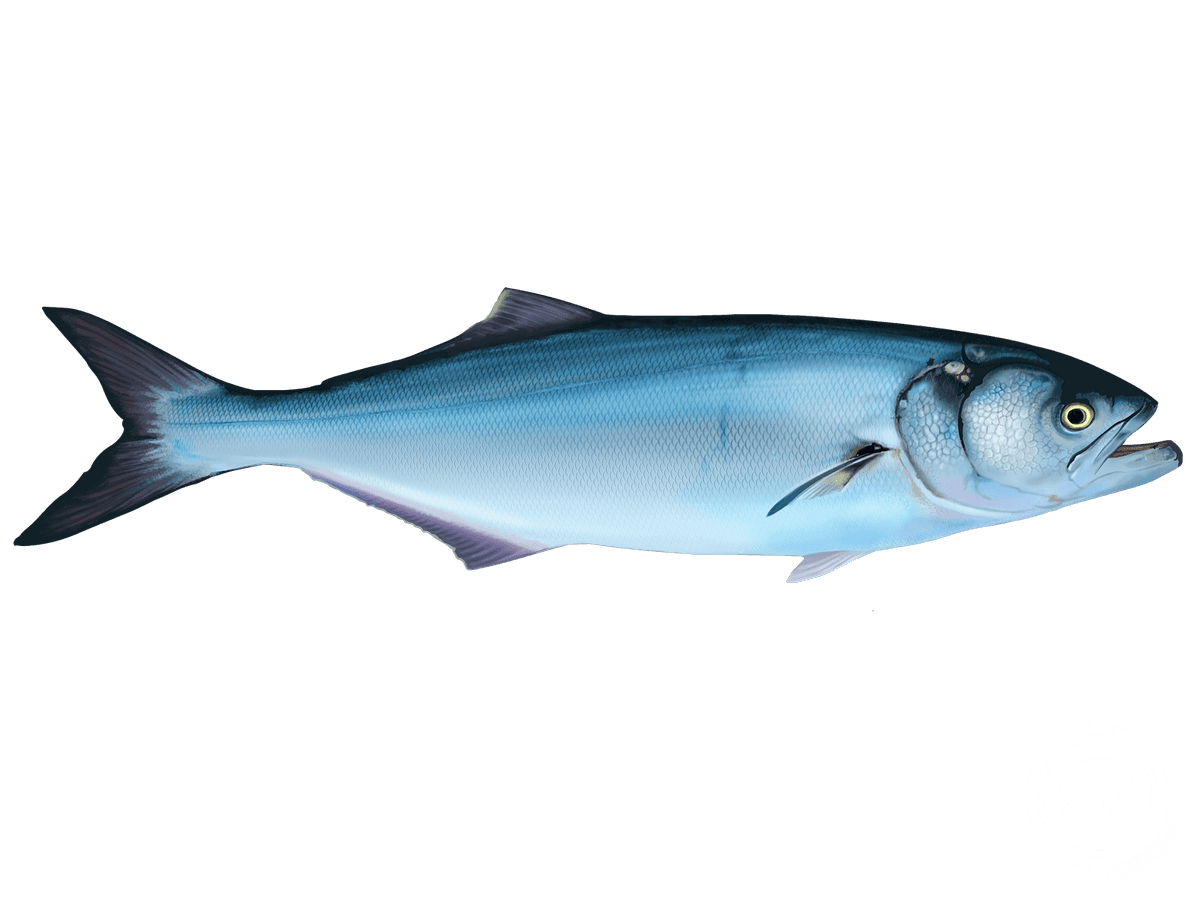
 Bluefish
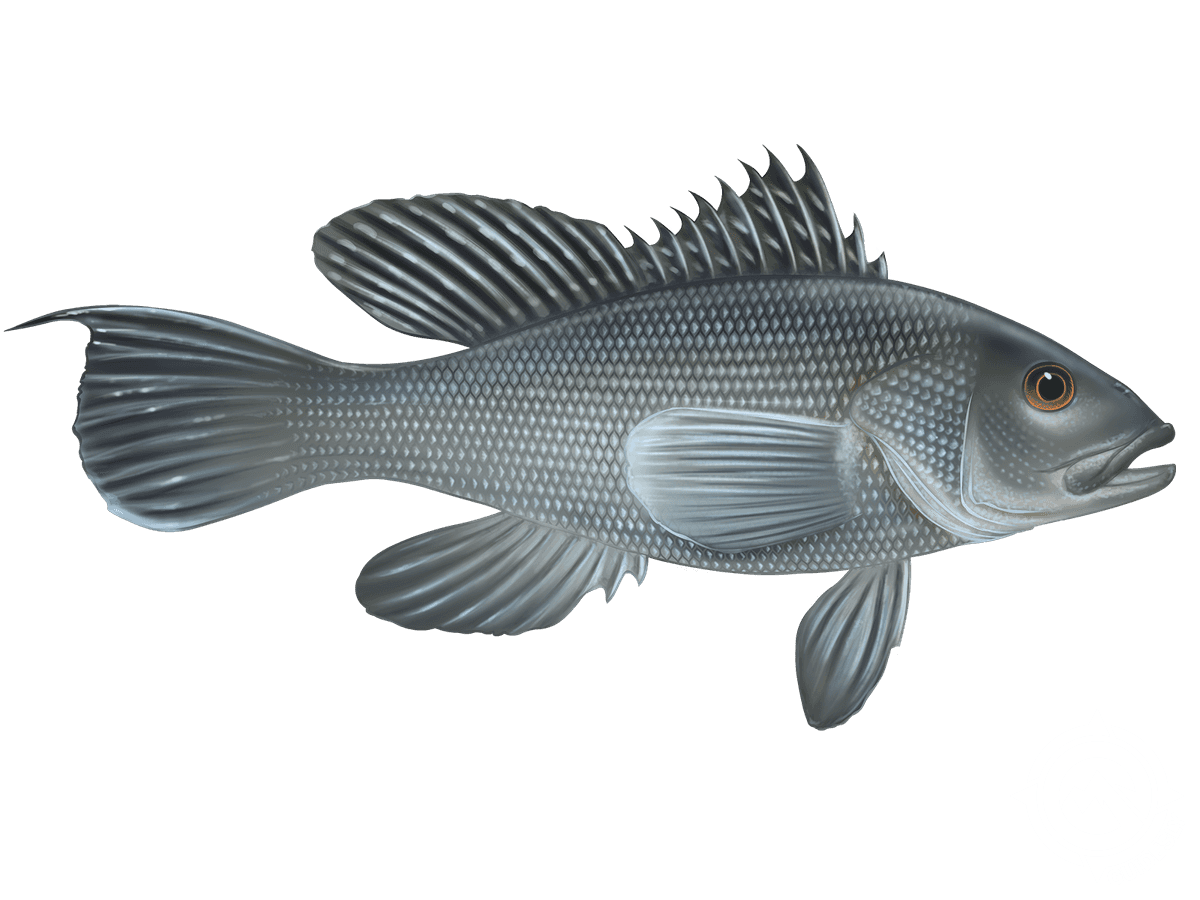
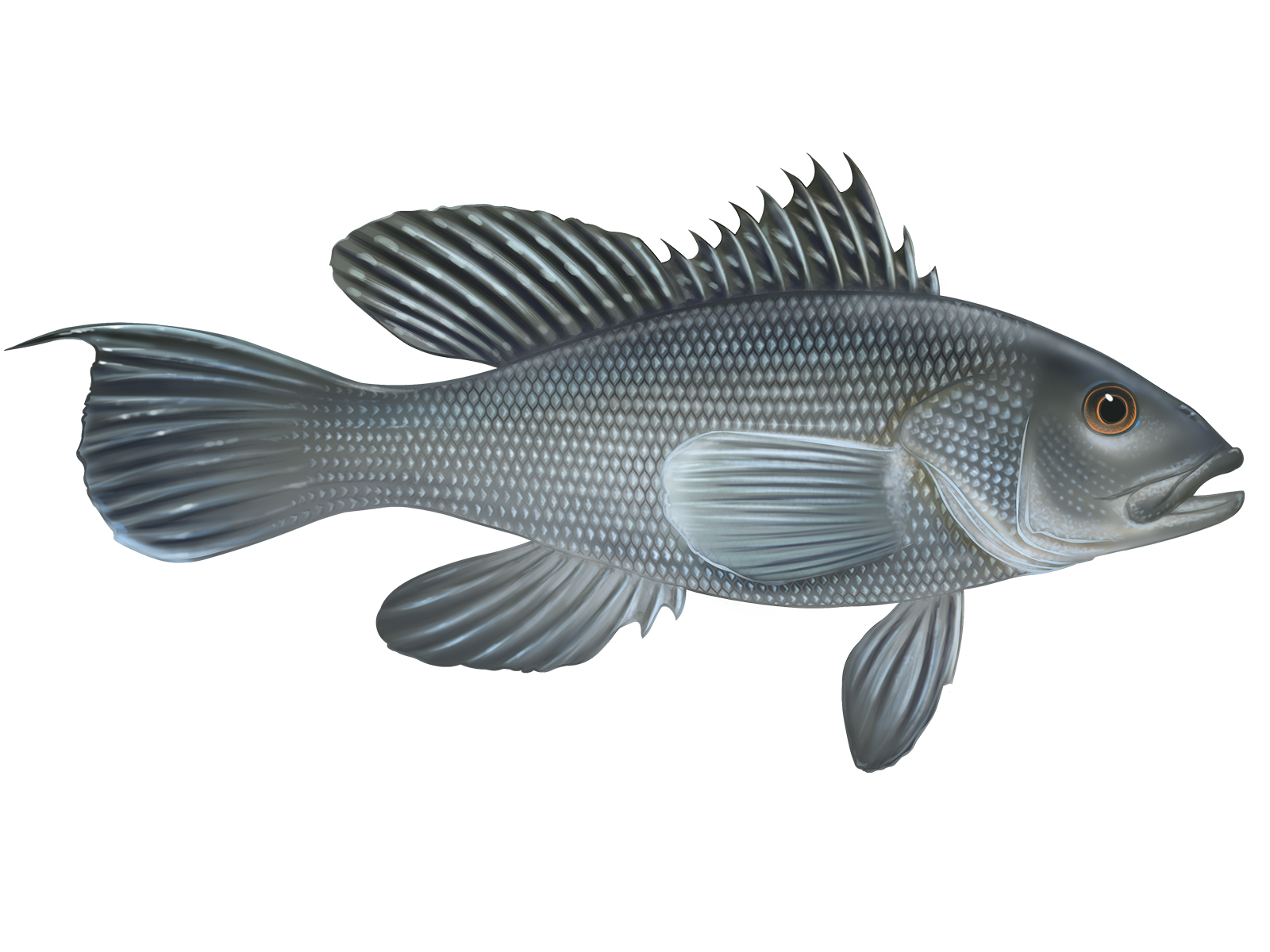 Sea Bass
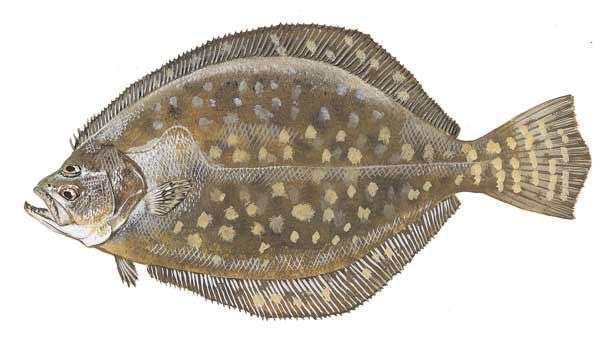
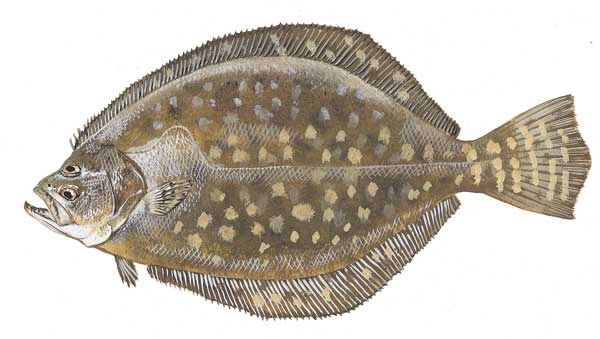 Southern Flounder
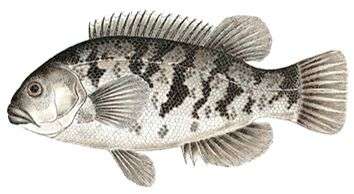
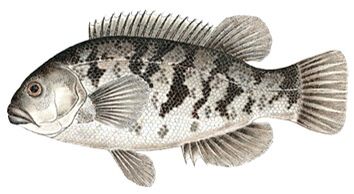 Tautog
- 5-hour reef fishing targeting bluefish, flounder, and sea bass
- Small group capacity up to 4 anglers with experienced crew
- All gear, bait, and tackle included for complete fishing experience
Trip Pricing and Availabilities:
Avalon Wreck Fishing with Diamond Jig Charters
When you're looking for some serious bottom fishing action, there's nothing quite like hitting the wrecks off Avalon. I've been running these waters for years with Diamond Jig Charters, and let me tell you - these underwater structures are absolute fish magnets. Our 5-hour ocean reef and wreck fishing trips put you right on top of the most productive spots where sea bass, tautog, southern flounder, and bluefish stack up thick. We keep it intimate with just 4 anglers max, so you're not fighting for rail space or competing with a crowd. Whether you're a seasoned wreck rat or this is your first time dropping a line on structure, we've got you covered with all the gear, bait, and local knowledge you need to make it a day to remember.
What to Expect on the Water
These Avalon wreck trips are all about precision fishing over underwater structure that's been collecting fish for decades. We're talking about old ships, artificial reefs, and natural bottom that creates the perfect habitat for our target species. The ride out takes us into some of the most consistent fishing grounds along the Jersey coast, where depths range from 40 to 80 feet depending on which wrecks are producing. The vibe is relaxed but focused - we're here to fish, not just cruise around. You'll spend your day anchored up or drifting over these hotspots, working the water column from bottom to mid-range where different species set up shop. The beauty of wreck fishing is you never know what's going to come up next. One minute you're pulling up a chunky sea bass, the next it's a keeper fluke or a hard-fighting tautog. The structure holds baitfish, and where there's bait, there's always something bigger looking for an easy meal.
Gear Setup & Wreck Techniques
Wreck fishing is all about getting your bait down to where the fish live, and that means fishing heavy enough to hold bottom in current while staying out of the structure. We rig you up with conventional tackle - usually 20 to 30-pound class outfits that can handle both the fish and the inevitable snags that come with wreck fishing. For bottom rigs, we run high-low setups with circle hooks and enough weight to keep your bait in the strike zone. Bank sinkers from 6 to 12 ounces depending on drift and current. The key is reading the structure on the fish finder and positioning your baits just off the wreck where fish cruise for food but won't wrap you up in metal. We carry a full spread of fresh bait - squid strips, clams, sea worms, and cut bait that match what these fish are feeding on naturally. When the bite gets tough, we'll switch up presentations, maybe go with bucktails tipped with bait or even throw some diamond jigs on the drift. The name of the game is staying flexible and moving if the fish aren't cooperating on one piece of structure.
Species You'll Want to Hook
Sea bass are the bread and butter of our wreck fishing trips, and for good reason. These chunky, hard-fighting fish absolutely love structure and they're abundant in our waters from late spring through fall. Black sea bass typically run 1 to 4 pounds, with bigger fish pushing 5 or 6 pounds if you're lucky. They're aggressive feeders that will hit just about anything you drop down - squid, clams, sea worms, you name it. What makes them so fun is they fight way harder than their size suggests, and they're fantastic eating. The season runs from May through December with some of the best action happening in summer and early fall when they're feeding heavy before moving offshore.
Tautog, or blackfish as we call them locally, are the bulldogs of the wreck fishing world. These fish are built like tanks with powerful jaws designed for crushing shellfish off the structure. They're tricky to hook because they're notorious bait stealers, but once you set the iron, you're in for a dogged fight straight down to the bottom. Tautog fishing is all about feel - you've got to detect that subtle tap and set the hook immediately before they spit your bait. They're most active in cooler water, so spring and fall are prime time, with fish ranging from keeper size at 16 inches up to trophy fish over 10 pounds. The meat is sweet and firm, making them one of the most sought-after table fish in our area.
Southern flounder add a different dimension to our wreck trips because they're not always glued to the bottom like our other target species. These flatfish cruise the edges of structure looking for baitfish and will often take baits fished a foot or two off the deck. Summer flounder, or fluke, are ambush predators that bury themselves in sand and mud near the wrecks, then explode upward to grab passing prey. They're size fishing - anything under 18 inches goes back, but keepers can run anywhere from that minimum up to doormat fish over 8 pounds. The fight is different too - more of a head-shaking, bulldogging battle than the straight-down power of bass and tautog. Peak season runs from May through September, with the biggest fish typically showing up in late summer.
Bluefish are the wildcards that can show up any time during our trips, especially when there's bait around the wrecks. These aggressive predators travel in schools and when they move in, the action can be absolutely wild. Blues hit hard, fight harder, and they're not picky about what they eat. When they're around, we'll often switch to wire leaders because their teeth will cut through mono in a heartbeat. They range from cocktail blues under a pound up to larger fish pushing 10 pounds or more. The bigger fish are called choppers for good reason - they'll take chunks out of anything in their path. While they're not everyone's favorite table fare due to their o
Learn more about the species
Bluefish
Bluefish are aggressive predators that travel in schools and put up fierce fights when hooked. They range from small "snappers" at 1-2 pounds up to 8-12 pound adults with razor-sharp teeth. You'll find them along beaches, near baitfish schools, and around structure in 10-50 feet of water. Late spring through fall is prime time, especially during their feeding blitzes when they attack bait schools. Guests love the action since blues hit hard and make strong runs. The smaller ones taste great, while bigger fish have stronger flavor. Watch for diving birds - that's where the action is. Use wire leaders since their teeth will cut through regular line, and be careful handling them. They'll bite anything that moves, including your fingers.
Sea Bass
Black sea bass are solid fighters that hang around our local reefs and wrecks, usually running 1-3 pounds with some bigger ones pushing close to 5 pounds. They love hard bottom structure - rocky areas, jetties, and artificial reefs in 20-60 feet of water. Spring through fall is prime time, especially when the water warms up in late spring. These fish are aggressive feeders that'll hit squid, clams, or jigs dropped right to the bottom. Guests love them because they fight hard for their size and taste fantastic on the table. Here's a local trick: once you hook one, keep your line in the same spot - sea bass school up, so where there's one, there's usually more waiting.
Southern Flounder
Southern flounder are masters of disguise that bury themselves in sandy bottoms waiting to ambush prey. Most run 15-18 inches and 2-3 pounds, though bigger ones can hit 5-6 pounds. They prefer shallow sandy areas, inlet mouths, and bay edges where baitfish move through. Fall is peak season when they're fattening up before heading offshore for winter. Both eyes are on one side of their head, which makes them unique and fun to catch. The meat is excellent - white, flaky, and mild. Drift fishing with live minnows or shrimp works best since they like moving bait. Here's the key: use a light jighead and let your bait bounce along the bottom naturally. When you feel that subtle tick, count to three before setting the hook.
Tautog
Tautog, or blackfish as locals call them, are tough customers that live around jetties, wrecks, and rocky structure. They average 2-4 pounds but can hit 8-10 pounds if you're lucky. These fish have powerful jaws built for crushing shellfish, so they put up a solid fight once hooked. Best fishing is spring and fall when they're active around structure in 15-40 feet. They're picky eaters but love green crabs above all else. Guests enjoy the challenge since tog are smart and the meat is sweet and firm. Pro tip: crush up some crab shells and drop the pieces around your fishing spot first - the scent draws them in. Fish right on the bottom and be ready to set the hook fast when you feel that tap.
About the Dusky
%2F%2Fusers%2Fa4121b01-2898-4831-95ca-6b37cc357081%2Fboat_picture%2Fboat.jpg&w=1200&q=75)
Vehicle Guest Capacity: 4
Manufacturer Name: Suzuki
Maximum Cruising Speed: 28
Number of Engines: 1
Horsepower per Engine: 300